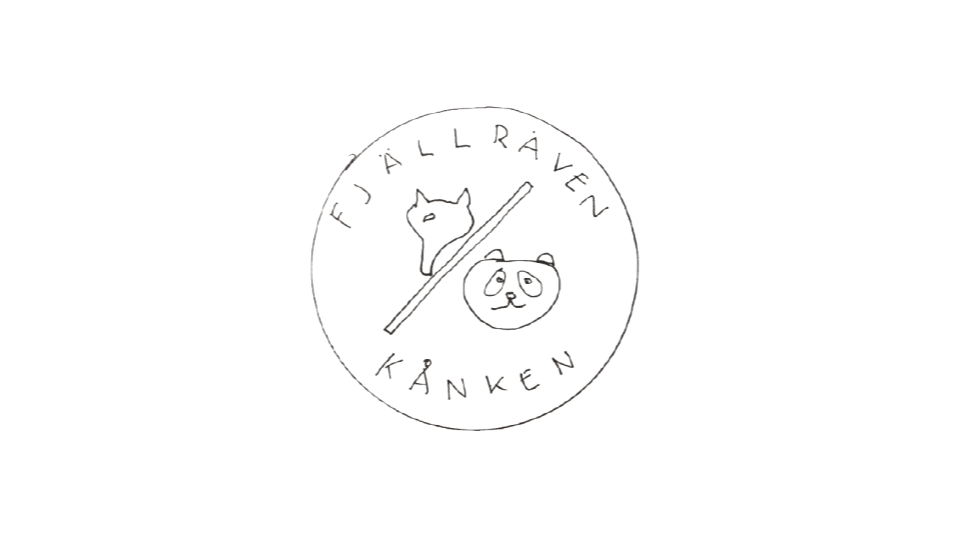
My project for Fjällräven focused on how the brand can deepen its commitment to environmental responsibility while strengthening customer engagement. This project aimed to enhance Fjällräven’s position in the market by leveraging its heritage of quality craftsmanship and sustainability, while also addressing key gaps in consumer awareness and brand communication.
Through research methods such as Target Audience Segmentation, Competitive Analysis using the Blue Ocean Strategy, and Qualitative Interviews, key insights emerged regarding Fjällräven’s positioning and consumer behavior. The findings highlighted that while young consumers (18–29) are increasingly interested in sustainability, many feel uncertain about how to incorporate it into their purchasing decisions. Additionally, Fjällräven’s competitive advantage lies in its durable, high quality products, but its social media presence is less robust compared to key competitors like Patagonia and The North Face.
To address these insights, a strategic collaboration between Fjällräven and the World Wildlife Fund (WWF) was developed. The concept revolves around a limited-edition collection of Kånken backpacks inspired by endangered species, with a portion of proceeds donated to conservation efforts. This collaboration would not only align with Fjällräven’s sustainability values but also strengthen its digital engagement through influencer partnerships and WWF’s global platform.
This project allowed me to merge strategic analysis with creative problem-solving, ensuring that Fjällräven’s sustainability efforts resonate with its target audience while reinforcing its brand identity. By integrating ethical production with engaging storytelling, the outcome was a campaign that not only drives positive environmental impact but also deepens Fjällräven’s connection with the next generation of eco-conscious consumers.

