After reading Soft City by David Sim and Life Between Buildings by Jan Gehl, I felt inspired to conduct an anthropological study on paths of travels. The project Sankt Hans Torv, began with a variety of design methods including Behaviour Mapping, Participant Observation, Fly-on- the-Wall and Photo Studies. Sankt Hans Torv is a square located in the Nørrebo, Copenhagen, Denmark.
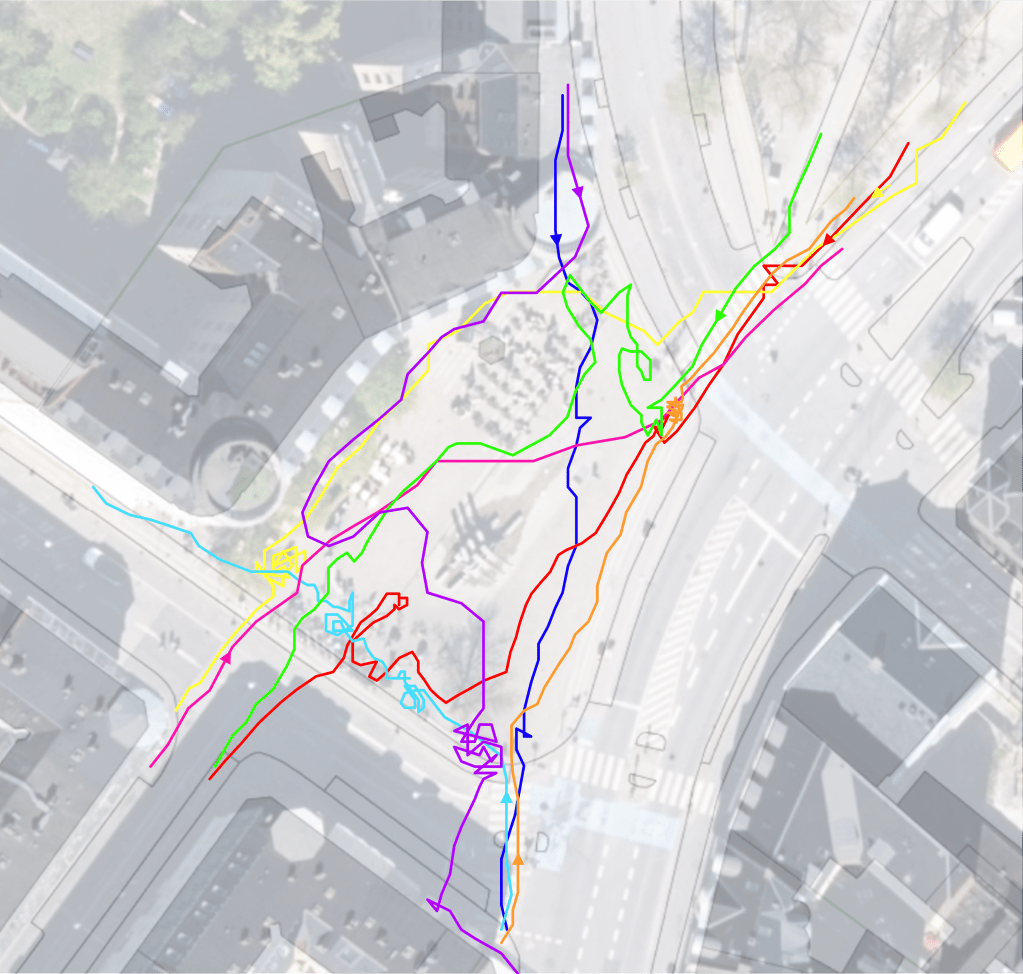
Behaviour mapping was used to track the paths of 8 individuals. Before heading out to obtain data, the parameters were set in order to collect relevant data.
Approximate age, gender, speed and use of space were collected to obtain a variety of data. Participant Observation was used in conjunction with the Photo Studies method.
By visiting Sankt Hans Torv frequently and including the space on my path of travel, I was able to notice patterns in my own traffic. Photo Studies is an ethnographic method used to document the area for reference when looking into data. The Fly-on-the-Wall method was used as it was an unobtrusive method for gathering information without direct participation from the subjects.

Through Photo Studies, documenting the area not only enriched the research process but also served as a valuable resource for exploring patterns and trends over time and being able to look back for historical purposes.

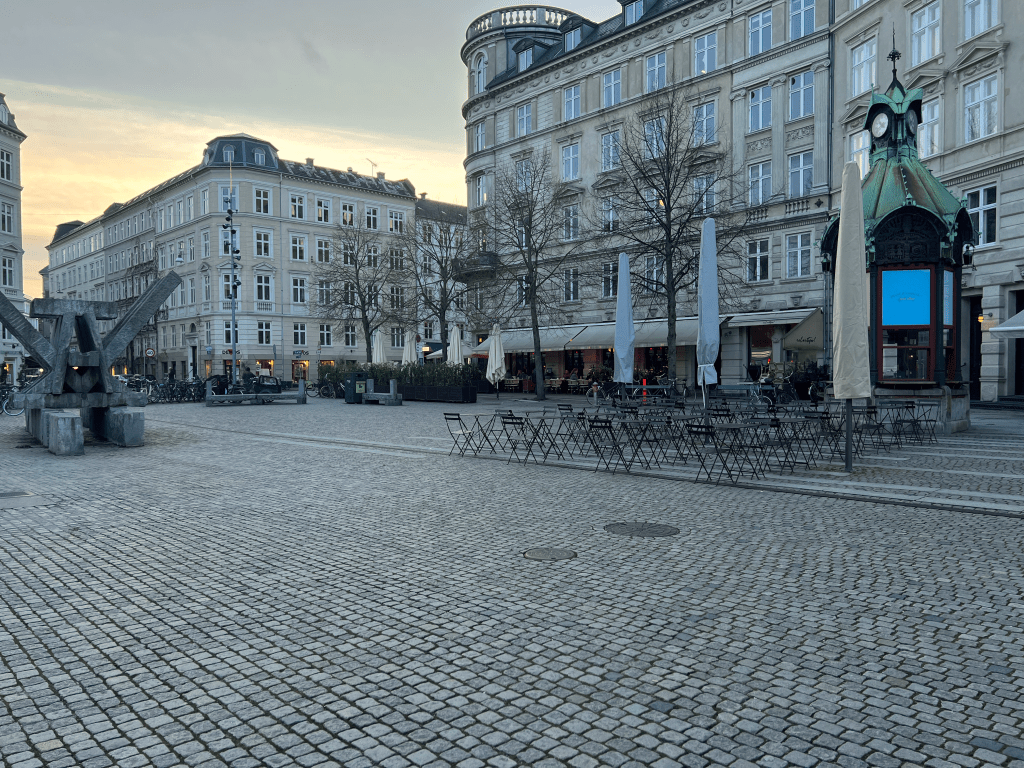
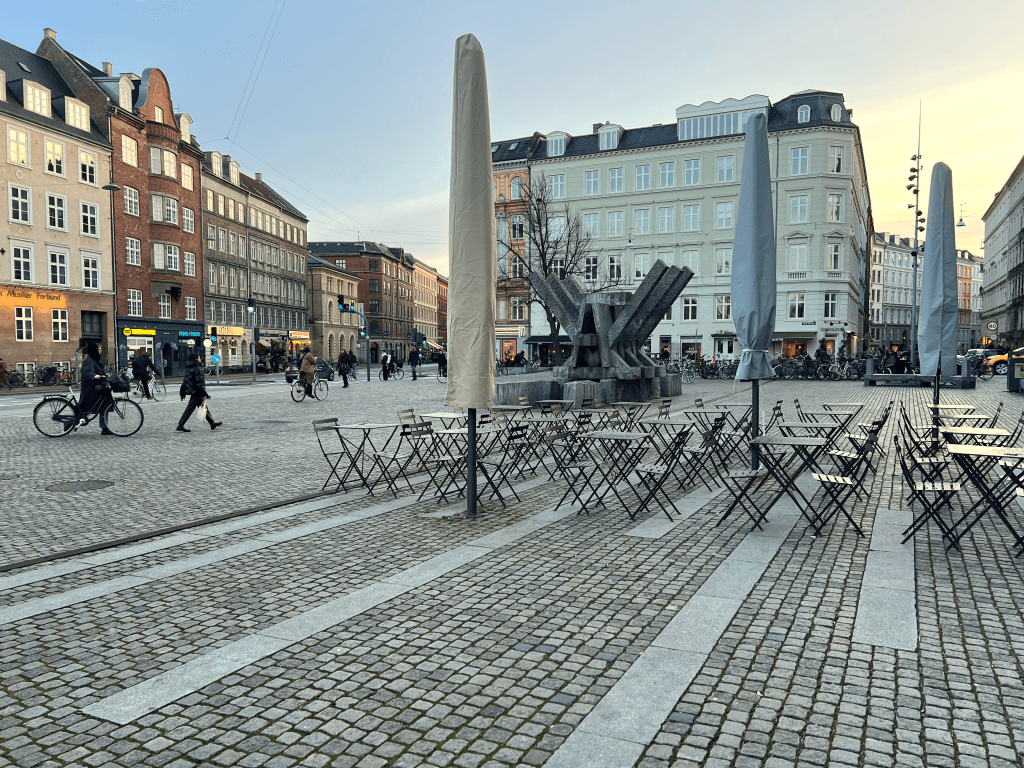
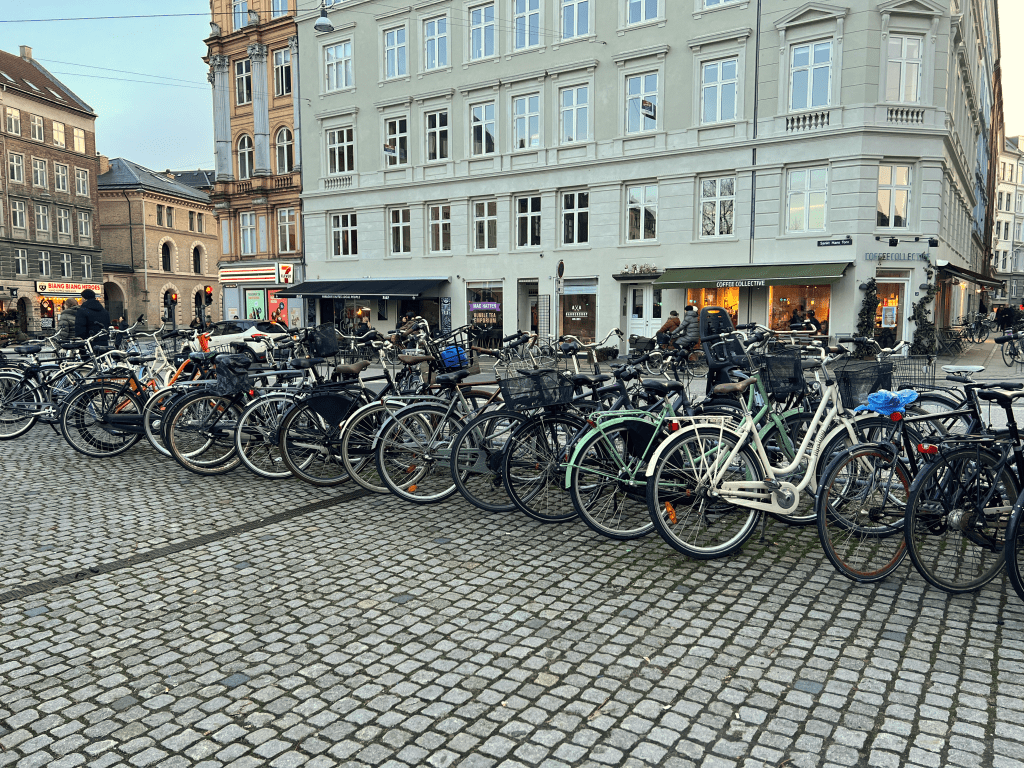
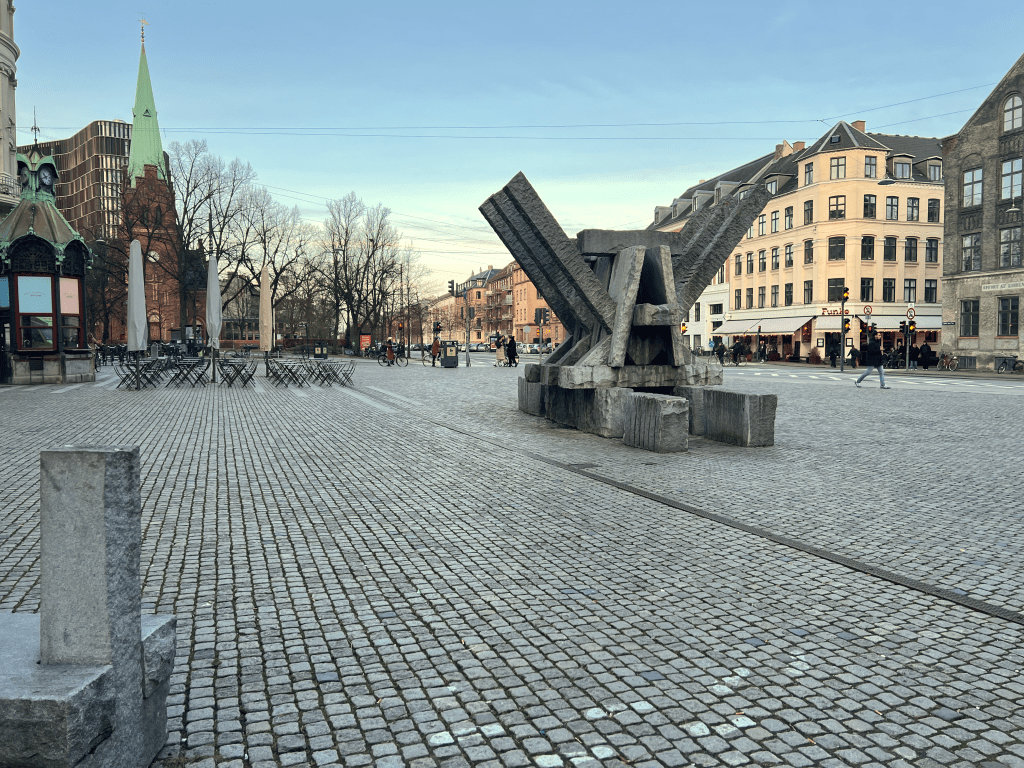
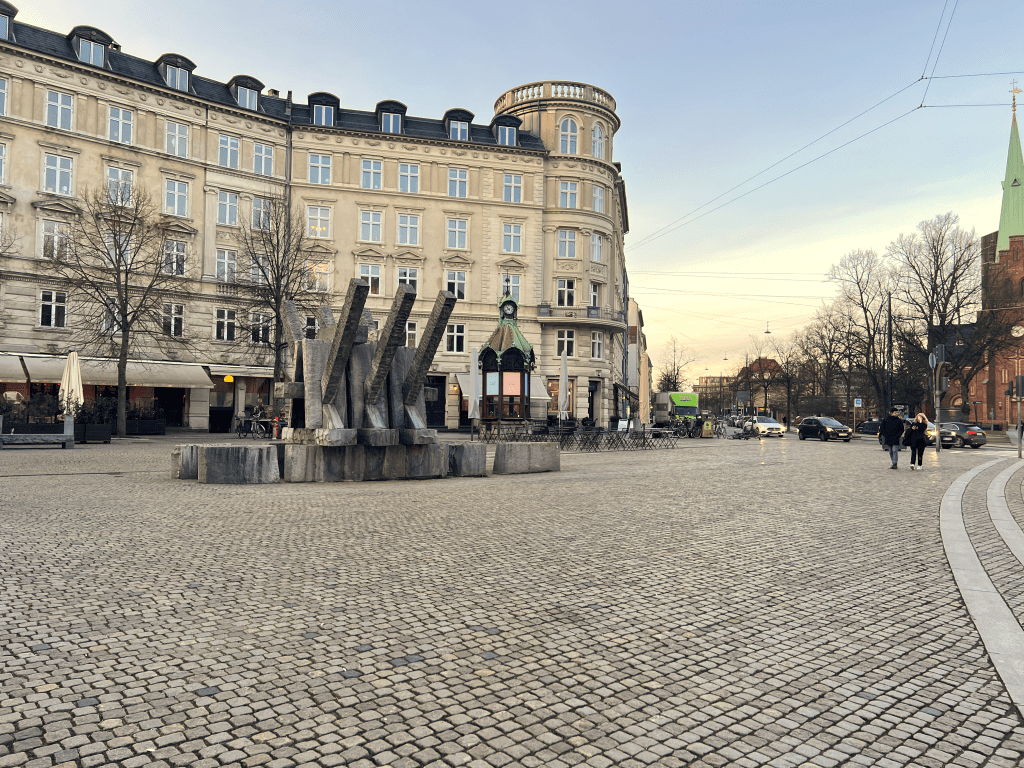
The various research methods allowed for interesting insights to be discovered. Behaviour Mapping uncovered a nuanced understanding of how diverse demographic groups navigate and interact within the space.
The use of the Participant Observation and Photo Studies methods allowed for a comprehensive examination of my own traffic patterns within Sankt Hans Torv.
Frequent visits to the location enabled the identification of recurring behaviours and spatial preferences, shedding light on the intricacies of user experience in this urban setting. The Fly-on-the-Wall method allowed for a subtle yet comprehensive observation of behaviours, ensuring a more natural representation of how individuals engage with the environment.
The exploration of paths of travel at Sankt Hans Torv defined clear and rich insights into the intricacies of urban navigation. The combination of Behaviour Mapping, Participant Observation, Photo Studies and the unobtrusive Fly-on-the-Wall method provided a multifaceted perspective, uncovering patterns and behaviours that will be necessary to determine future design considerations for this urban space.

 Annie Montgomery